
Understanding gambling addiction Signs to watch for and how to seek help
What is Gambling Addiction?
Gambling addiction, also known as compulsive gambling, is a condition that affects individuals’ ability to control their gambling behaviors. This disorder can lead to significant financial, emotional, and social problems. Unlike casual gambling, which is a recreational activity for many, gambling addiction becomes a compulsive need, often overshadowing responsibilities and relationships. For those interested in online gaming, Asino Casino offers an alternative that caters to players seeking thrilling experiences.
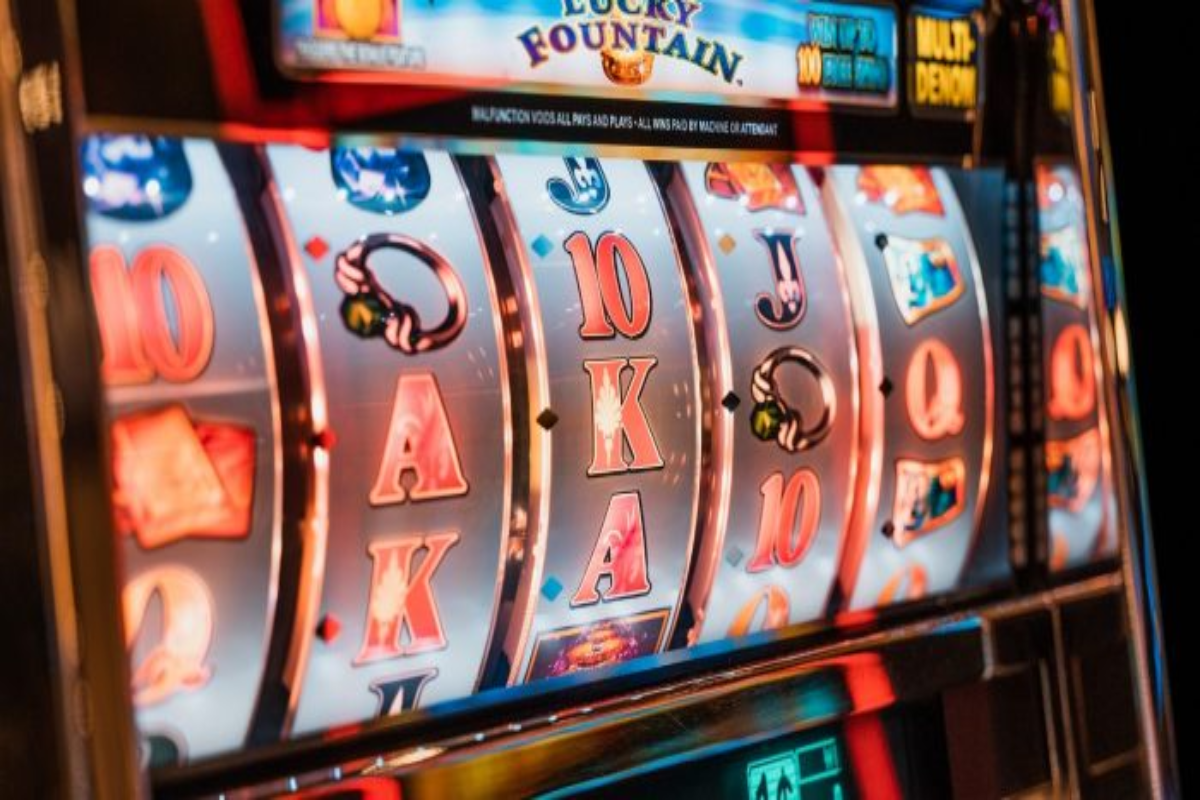
The thrill of winning can be enticing, and for those struggling with addiction, this feeling can perpetuate a cycle of gambling that is hard to break. Understanding the nature of gambling addiction is crucial for both those affected and their loved ones, as it enables early detection and intervention.
Signs of Gambling Addiction
Recognizing the signs of gambling addiction is the first step toward seeking help. Common indicators include an increasing need to gamble with larger amounts of money, restlessness when trying to cut back, and continued gambling despite negative consequences. These behaviors often lead individuals to isolate themselves and hide their gambling habits from friends and family.
Another sign is using gambling as a way to cope with stress or anxiety. Many gamblers may also lie about their gambling activities or feel a sense of shame about their behavior. Being aware of these signs can help individuals and their loved ones identify when gambling is becoming a problem.
Impact of Gambling Addiction on Life
The effects of gambling addiction can be devastating, influencing various aspects of an individual’s life. Financial difficulties are a common outcome, as compulsive gamblers may exhaust savings, run up credit card debts, or even resort to illegal activities to fund their addiction. This financial strain often leads to a ripple effect on personal relationships, resulting in feelings of betrayal and mistrust among family and friends.
Moreover, mental health issues such as anxiety, depression, and increased stress levels are frequently associated with gambling addiction. The emotional toll can create a vicious cycle, where individuals gamble to escape their problems, only to face more severe issues as a result of their gambling habits.
Seeking Help for Gambling Addiction
If you or someone you know is struggling with gambling addiction, seeking help is paramount. Professional treatment options include therapy, support groups, and counseling. Cognitive-behavioral therapy has proven effective in helping individuals change their gambling behaviors and thought patterns.
In addition to professional help, support from family and friends plays a critical role in recovery. Encouragement and understanding from loved ones can create a supportive environment that fosters healing and makes it easier to overcome the addiction.

Resources for Gambling Help
Various organizations and websites offer support and resources for individuals dealing with gambling addiction. These resources provide valuable information on treatment options, support groups, and coping strategies. They often include contact information for local services and hotlines, making it easier to find help when needed.
For those seeking a community or safe space to talk about their experiences, many online platforms offer anonymity while connecting individuals with others facing similar challenges. These environments encourage open dialogue and can help individuals feel less isolated on their path to recovery.